Repairing Driveway Cracks in Bristol, CT
Over Time, Cracks Can Appear...
Although concrete driveways are designed for strength and long-term use, cracks can develop over time due to changing temperatures, moisture, ground movement,
heavy traffic, or natural settling.
Taking care of developing cracks early can help prevent water from entering the concrete and reduce the chance of the damage spreading.
If ignored, minor openings may eventually become larger problems that require more extensive repairs or professional resurfacing.
Fortunately, several proven crack repair methods are available, and choosing the appropriate approach depends on the size, depth, location, and
underlying cause of the damage.
What is Crack Sealing?
Even a properly installed concrete driveway can develop cracks as it ages and is exposed to seasonal temperature changes, vehicle loads, moisture, and
movement in the soil below.
Addressing these cracks while they are still manageable can help limit water intrusion and prevent surrounding areas from deteriorating further.
When damage is allowed to progress, a relatively simple repair may eventually require a more involved solution such as resurfacing.
Different repair techniques are available depending on the type and severity of the cracking, making it important to select a method that addresses both the
visible damage and its likely cause.
Injecting Epoxy Products
For concrete driveways in Bristol, CT, epoxy injection may be appropriate when certain cracks extend deeper into the slab and require more than a basic surface repair.
The process involves placing a specialized epoxy resin into the damaged area, where it cures and bonds the separated concrete together.
Once hardened, the epoxy can restore strength to the affected section
and create a durable repair.
This technique is generally best suited for stable, non-moving structural cracks, so the driveway should first be evaluated to determine whether epoxy
injection is the appropriate solution.


Injecting Polyurethane
Polyurethane injection can be an effective repair method for deeper cracks where moisture intrusion or small voids are a concern.
A specialized polyurethane material is injected into the damaged area, where it expands to fill gaps and create a flexible seal within the crack.
Because polyurethane performs well in damp conditions and helps restrict water penetration, it can be particularly
useful for driveway cracks exposed to recurring moisture.
The specific cause and condition of the crack should be evaluated first to determine whether polyurethane injection is the appropriate repair method.
Sealing and Routing Cracks
Routing and sealing is often used for wider or irregular cracks that need more preparation than a simple surface fill.
The damaged opening is carefully widened and shaped into a uniform channel, creating a clean area where the repair
material can bond effectively.
A flexible concrete sealant is then placed into the prepared crack to help block moisture and protect the surrounding concrete.
Proper preparation allows the sealant to remain securely in place and provides a more durable, longer-lasting repair.
Complete Driveway Replacement
When a concrete driveway develops widespread cracking, significant settlement, or serious structural deterioration, repairing individual areas
may no longer provide a practical long-term solution.
In these situations, complete replacement may be the better investment.
The existing concrete is removed, the underlying base is evaluated and properly prepared, and a new driveway is installed to create
a strong, dependable surface designed for years of regular use.
If cracks are beginning to appear in your driveway, addressing them early may help prevent more extensive damage and unnecessary expense.
Our team can evaluate the condition of your concrete and recommend an appropriate repair approach based on the severity and cause of the problem.
Contact us today to schedule a consultation for professional concrete crack repair and let us help
restore the safety, appearance, and functionality of your driveway.
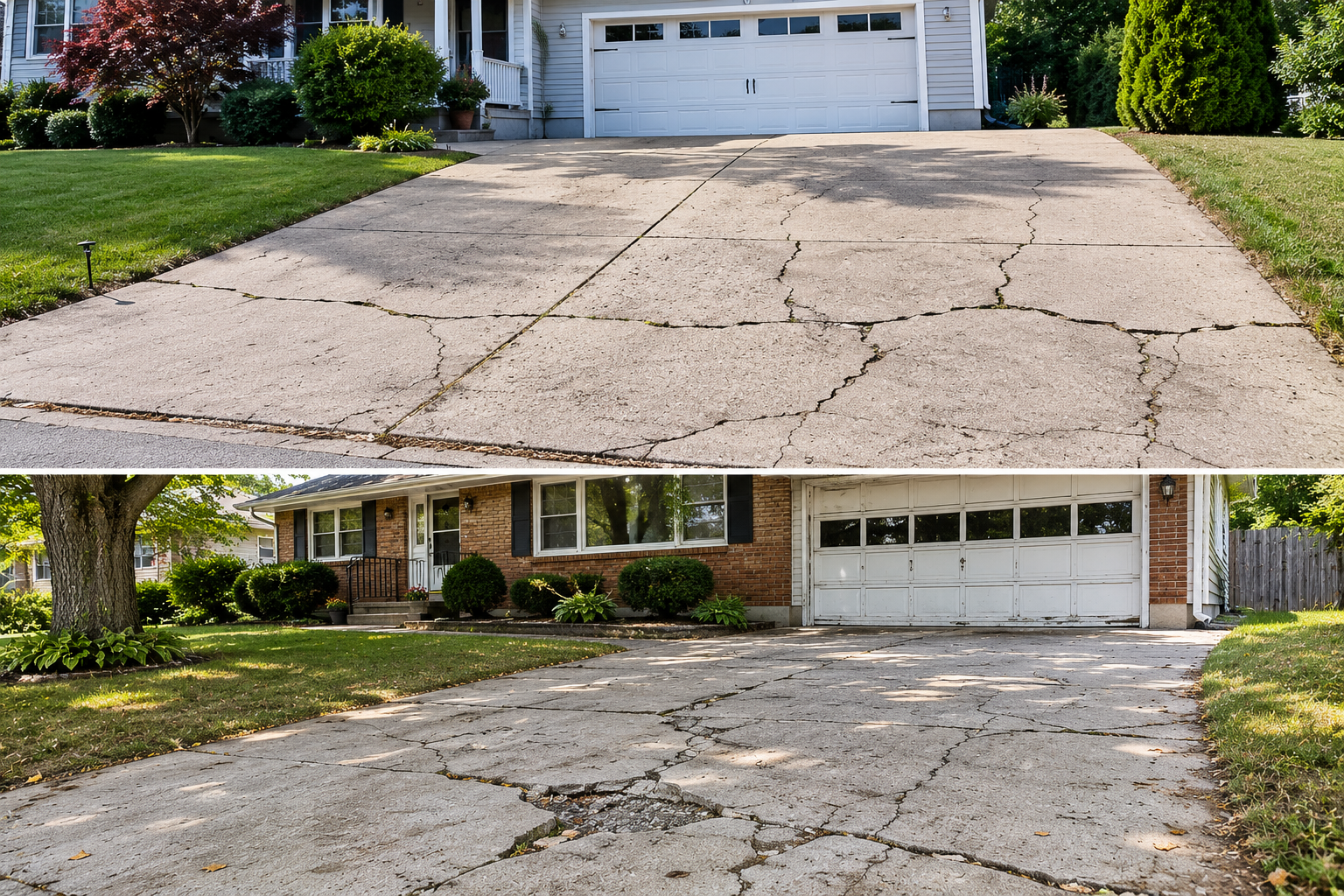
Don't Wait to Repair
Those Cracks!
A concrete driveway serves an important role in your property’s everyday function while also contributing to its overall curb appeal.
As the years pass, vehicle traffic, moisture, temperature changes, and natural ground movement can cause cracks and other signs of deterioration to develop.
Although small cracks may initially seem harmless, they can allow water to penetrate the surface and potentially worsen with repeated freeze-thaw
cycles or continued movement.
Addressing damaged areas early can help preserve the driveway’s appearance, limit further deterioration, and protect the investment you
have made in your property.

Stop Continuing Damage
Even minor cracks in a concrete driveway can become more serious when they are ignored.
Moisture can work its way into small openings, and during colder weather, repeated freezing and thawing may cause the surrounding concrete to expand, shift, or deteriorate further.
Taking care of cracks while they are still small can help control the damage, protect the surrounding surface, and reduce the likelihood of needing more extensive and expensive repairs in the future.
Longer Life
Consistent care can make a substantial difference in how long a concrete driveway remains strong and serviceable.
Repairing developing cracks before they spread helps protect the surrounding concrete from moisture intrusion and
additional deterioration.
By addressing small problems early, homeowners may avoid larger repairs and help postpone the need for a costly
full driveway replacement.
Halt Grass and Weed Infiltration
Cracks in a concrete driveway can collect soil, moisture, and seeds, creating ideal places for weeds and grass to begin growing.
As vegetation becomes established, roots can work their way deeper into the openings and may contribute to additional deterioration.
Sealing cracks early helps discourage unwanted plant growth while keeping the driveway cleaner, neater, and better protected.
Save Your Budget
Taking care of driveway cracks when they first appear can help keep repair costs under control.
Small cracks are generally easier and less costly to correct, while neglected damage can spread and eventually require more
involved restoration work.
Prompt repairs can help protect the surrounding concrete and reduce the risk of facing expensive resurfacing or complete
driveway replacement later.
Reduce Hazards
Cracks and uneven sections of a concrete driveway can become potential tripping hazards for family members,
guests, children, and pets.
As damaged areas grow wider or begin to shift, the surface may become increasingly difficult to walk across safely.
Repairing cracks while they are still manageable helps create a smoother surface and reduces the risk of trips
and falls around your property.
A Much Better Look
A cracked or deteriorating driveway can take away from the appearance of an otherwise attractive and well-maintained home.
Repairing damaged areas helps restore a cleaner, more uniform surface and keeps the driveway from becoming an eyesore.
Staying ahead of cracks can improve your property’s curb appeal and create a more polished first impression for neighbors,
guests, and potential buyers.
If cracks are beginning to appear in your concrete driveway, taking action early can help prevent minor damage
from becoming a larger problem.
Our experienced team provides professional crack repair solutions designed to protect the surrounding concrete, improve the driveway’s
appearance, and maintain a safer surface.
Contact us today to schedule a consultation and learn how timely repairs can help extend the life of your driveway.
How Do I know if the Job Is too
Big for Me to Handle?
Concrete driveways are designed for long-term performance, but exposure to changing weather, vehicle traffic, moisture, and ground movement
can eventually cause cracks to form.
Although minor cracking may not always indicate a serious problem, certain types of damage can worsen if they are left unattended.
Knowing when a simple repair is sufficient—and when professional
driveway installation
or more extensive restoration should be considered—can help protect your driveway’s strength, appearance, and useful life.
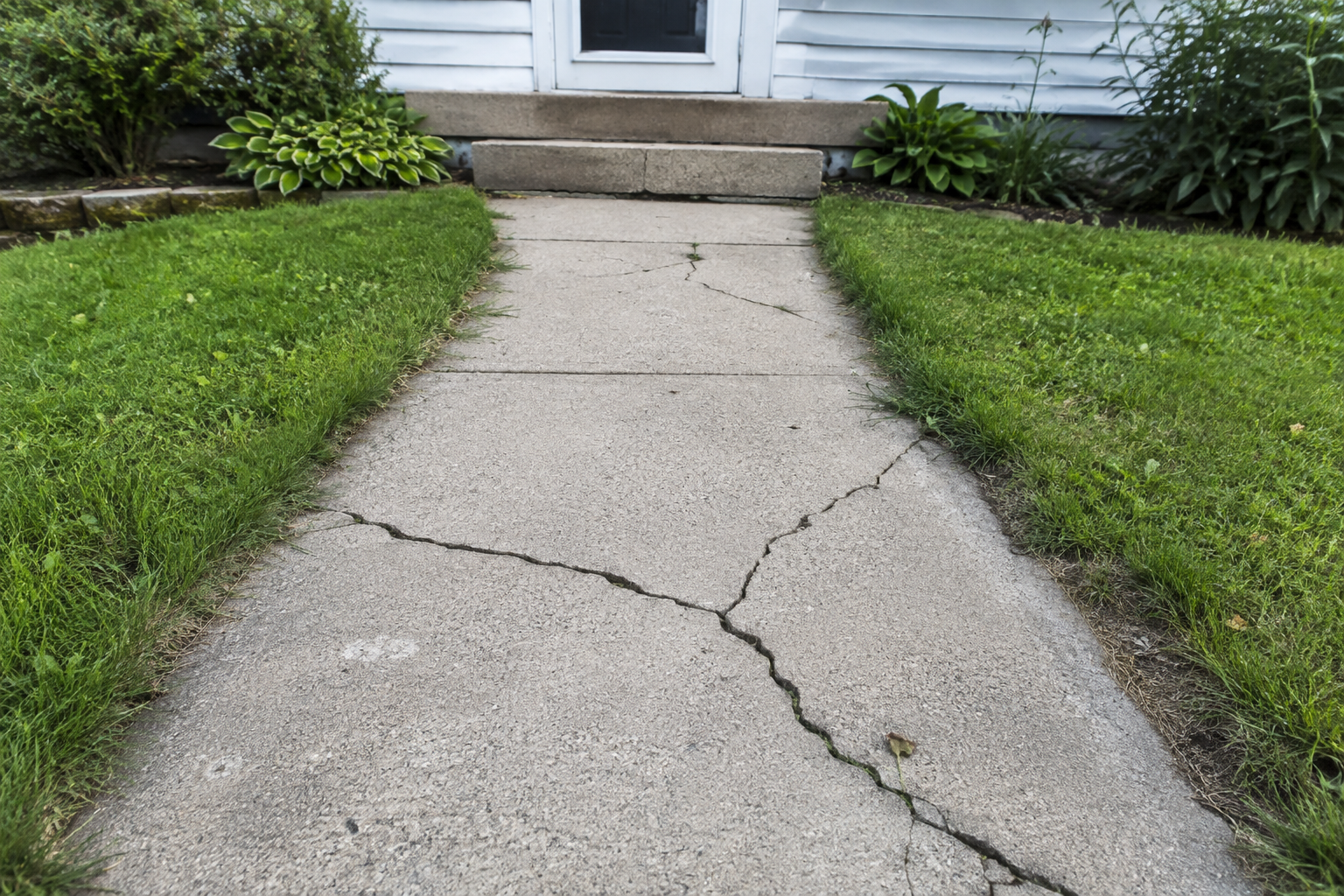
When Cracks Are Deep
Shallow cracks are often surface-level issues that can be repaired with basic sealing. However, deeper cracks, especially those that go beyond the surface and into the foundation of the concrete, require professional attention. A contractor can properly evaluate and repair the crack to prevent it from worsening and causing more significant issues.
When Cracks Cause Pooling Water
Cracks that create low spots or gaps in your driveway can lead to water pooling in those areas, especially during rainstorms. Over time, pooled water can weaken the structure of the driveway and lead to further cracks or damage. A professional can not only repair the cracks but also ensure proper drainage to prevent future issues.
Is Everything Cracking Up?
When cracks begin appearing throughout different sections of a concrete driveway, the damage may indicate more
than normal surface wear.
Widespread cracking can sometimes be related to soil movement, uneven settling, drainage problems, or changes in the
base beneath the concrete.
A professional evaluation can help identify what is causing the damage and determine whether individual crack repairs are sufficient or a more comprehensive solution is needed.
Results that Last
A lasting driveway repair involves more than simply
covering a crack with filler.
Professional contractors can evaluate the cause and severity of the damage, prepare the area correctly, and select repair materials suited to the specific type of crack.
Using proper techniques can create a stronger, more dependable repair that protects the surrounding concrete and reduces the likelihood of repeated maintenance.
For homeowners looking for a durable solution and a cleaner finished appearance, professional crack repair can be a worthwhile investment.